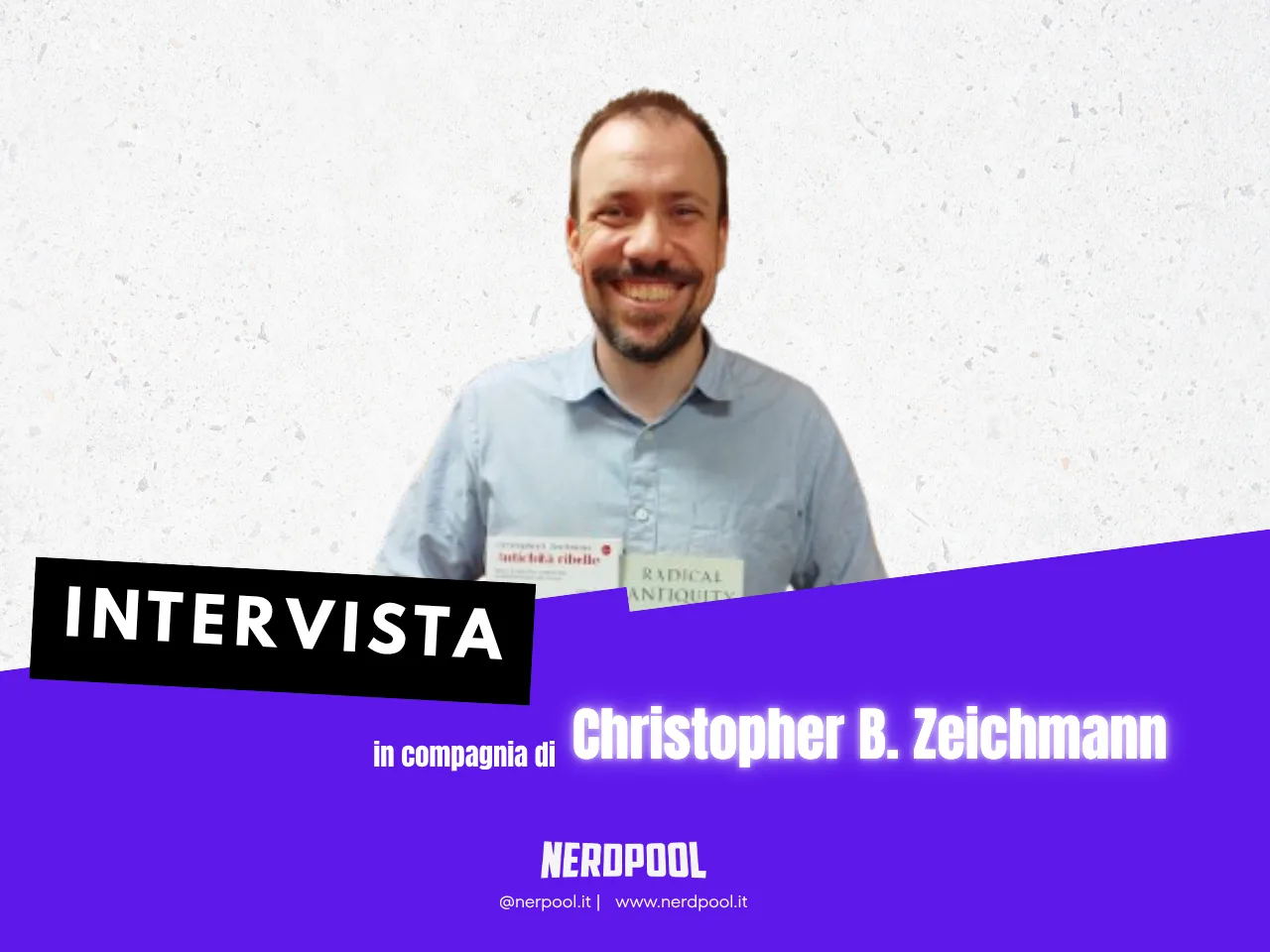
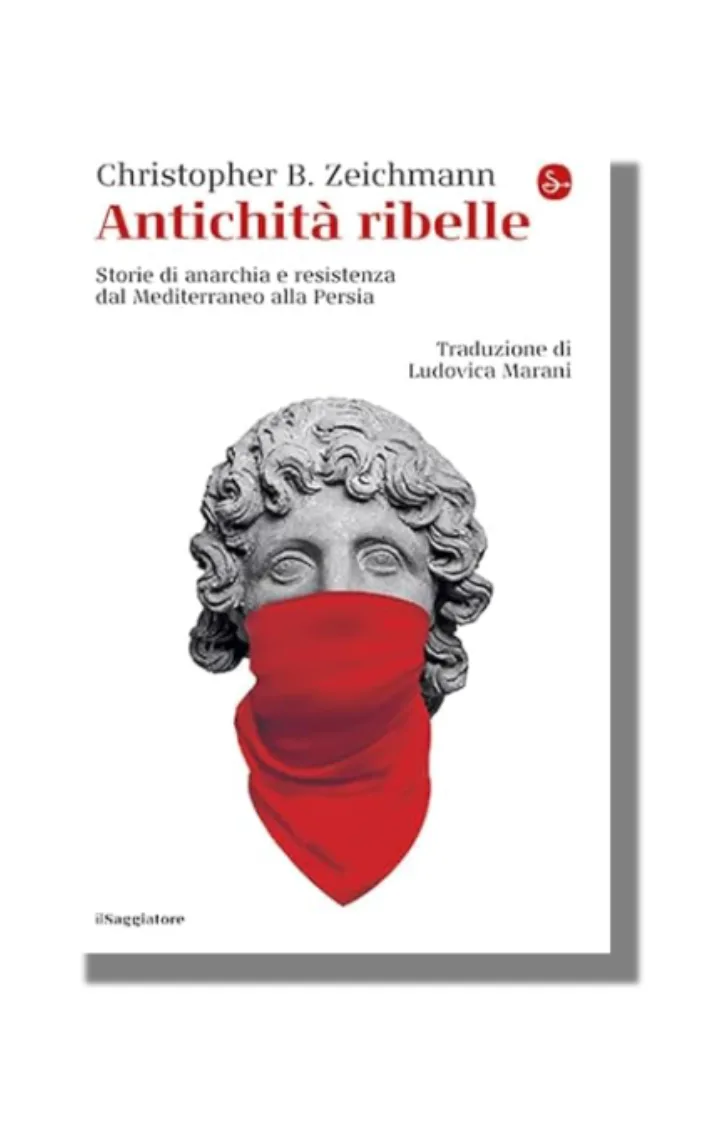
Ci sono interviste che partono con un foglio pieno di domande e finiscono per diventare una chiacchierata sulla vita, sulla storia e sulla politica. In un caldo sabato pomeriggio a Toronto, ho avuto il piacere di incontrare e intervistare il dottor Christopher B. Zeichmann, professore presso la Toronto Metropolitan University e autore del saggio Antichità Ribelle, edito in Italia da Il Saggiatore(ne abbiamo parlato qui).

Partiamo chiedendogli da dove sia iniziato tutto, e la mente del professore torna subito a Clinton, nel Michigan, dove è nato e cresciuto. Immaginate la classica piccola cittadina della profonda provincia americana: un po’ chiusa e conservatrice. Eppure, in quella bolla, la sua famiglia, di antiche origini austriache, ne frequentava un’altra, decisamente controcorrente: una chiesa protestante progressista. È qui che scatta la scintilla: il professore racconta con un sorriso che, da ragazzino, frequentando quell’ambiente si era messo in testa di voler fare il pastore, affascinato dalle antiche scritture. Ma alla domanda su quale fosse la sua vera vocazione da piccolo, confessa un dettaglio simpatico: all’epoca, in realtà, gli piacevano i dinosauri. La storia è arrivata dopo.
Oggi quel legame con la dottrina si è sciolto e Zeichmann spiega di definirsi agnostico: del testo sacro ormai gli interessa principalmente il lato storico. Per fare sul serio, ha conseguito un PhD in Nuovo Testamento e ha studiato greco antico e latino perché voleva essere in grado di leggere le fonti direttamente in lingua originale, nei limiti del possibile.

La passione per l’insegnamento
Entrando nel vivo della sua ricerca sul Nuovo Testamento, gli domando su quali fronti si stia concentrando oggi. Il professor Zeichmann delinea due filoni principali: il primo scava nel contesto greco-romano del cristianesimo delle origini, analizzando come l’esercito romano veniva rappresentato nei primi scritti cristiani. Il secondo, invece, esamina la politica dell’interpretazione biblica. In pratica, ci spiega come il nostro contesto sociale condizioni inevitabilmente il modo in cui leggiamo e interpretiamo le Scritture.
Ma la sua passione diventa quasi tangibile quando si passa a parlare di didattica: cosa ama davvero insegnare? Ci sono due grandi temi che il professore adora trasmettere ai suoi studenti, capaci di appassionare chiunque.Il primo è la democrazia greca. Attenzione, però, a non mitizzarla: come precisato nel saggio, Zeichmann ci tiene a ricordare che il sistema ateniese era sì geniale perché strutturato per impedire l’accentramento del potere, ma era anche un club esclusivo. Donne, schiavi e immigrati erano totalmente tagliati fuori. Di fatto, votava solo una stretta minoranza che decideva per tutti, creando un malcontento enorme. Eppure, alla domanda se ci sia qualcosa da salvare, Christopher non ha dubbi: il senso di comunità e il livello di partecipazione attiva alla vita politica sono dinamiche da cui oggi dovremmo solo imparare. Il secondo argomento che accende l’entusiasmo del professore è la rivolta di Spartaco: un uomo che ha letteralmente rischiato la vita per la libertà, ed è proprio per questo che ha voluto inserire la sua storia nel volume.
Dentro “Antichità ribelle”: la “History from Below” e i pirati comunitaristi
Guardando la prima pagina del volume, salta all’occhio una dedica speciale per i suoi genitori, definiti “open minded”. Chiedendogli il significato profondo di quelle parole, il professore spiega che la sua famiglia non è mai stata conservatrice; al contrario, lo ha sempre spronato a farsi domande, a coltivare sani valori e a rifiutare ogni forma di discriminazione.
A quel punto, la domanda sulla scelta di fondo del libro diventa obbligatoria: perché decidere di raccontare la cosiddetta “history from below”, ovvero la storia vista dal basso? La risposta di Zeichmann è una scossa elettrica: “Perché a scuola studiamo solo l’1% della popolazione antica. Re, imperatori, generali. Grandi nomi. E il restante 99%?”. Sparito, invisibile“. Eppure quel 99% ha permesso a pochi eletti di rimanere al potere. Il professore è andato a scavare proprio tra i dimenticati, facendo riemergere storie straordinarie di persone comuni che hanno trovato modi alternativi per reinventarsi, sopravvivere e prosperare. Esempi concreti che parlano di resistenza alle discriminazioni di genere e di classe, dimostrando che il desiderio di giustizia è vecchio quanto l’umanità.
Incuriosita da questa galleria di ribelli antichi, gli chiedo quale sia la sua storia preferita oltre a Spartaco. Il professore non ha dubbi: i pirati di Lipari. Si tratta di una comunità di pirati greci che, sbarcata sull’isola siciliana, creò una democrazia basata sulla totale condivisione della terra e dei bottini di guerra. Vissero pacificamente con i residenti, dando vita a un esperimento sociale unico.
Ma come si fa a scovare storie di chi non ha lasciato monumenti? Interpellato sulle sue fonti, Il professore rivela un perfetto mix di analogico e digitale. Usa internet per la velocità e la mole di database mondiali, ma non rinuncia ai libri fisici, essenziali per studiare da vicino le riproduzioni dei papiri antichi. Proprio in questi frammenti, infatti, si nascondono i dettagli più minuziosi sulla vita quotidiana della gente comune.
Andando verso la conclusione, gli rivolgo la domanda definitiva: qual è, in ultima analisi, il messaggio focale del libro? Per Zeichmann si tratta di una chiamata all’azione per il presente: usare la storia per alimentare la volontà di costruire una società migliore, più aperta al cambiamento e all’integrazione. Più partecipazione, più democrazia, meno paura dell’altro.
Il momento Nerd: la Terra di Mezzo batte tutti
Trattandosi di una chiacchierata così cordiale, non potevamo lasciarlo andare senza la domanda nerd d’obbligo. Messo con le spalle al muro davanti al bivio generazionale supremo — “Christopher, meglio Harry Potter o Il Signore degli Anelli?“ — il professore non ha esitato un secondo: vince Tolkien a mani basse. Ma l’interrogatorio pop non è finito lì. Incalzato su serie e fumetti, Christopher ha confessato un totale “sì” per Game of Thrones, dichiarando di amare anche anime, comics e cinema. Perché in fondo, che si parli di democrazia ateniese o delle cronache di Westeros, il motore è sempre lo stesso: il fascino per le grandi storie e per chi prova a cambiare le regole del gioco.
Tutta la redazione di Nerdpool ringrazia il professor Zeichmann per questa preziosa opportunità di confronto. La sua passione per la ricerca, unita a una rara dote di apertura e gentilezza, ha reso questa intervista un momento indimenticabile.
FACE TO FACE WITH THE AUTHOR: Christopher B. Zeichmann tells us about his “Radical Antiquity“
There are interviews that start with a sheet full of questions and end up becoming a chat about life, history and politics. On a warm Saturday afternoon in Toronto, I had the pleasure of meeting and interviewing Dr. Christopher B. Zeichmann, professor at the Toronto Metropolitan University and author of the essay Rebel Antiquity, published in Italy by Il Saggiatore (we talked about it here).
We start by asking him where it all began, and the professor’s mind immediately goes back to Clinton, Michigan, where he was born and raised. Imagine the classic small town in the deep American province: a bit closed and conservative. Yet, in that bubble, his family, of ancient Austrian origins, frequented another, decidedly against the tide: a progressive Protestant church. This is where the spark is triggered: the professor tells with a smile that, as a boy, frequenting that environment he had made up his mind that he wanted to be a shepherd, fascinated by the ancient scriptures. But when asked what his true vocation was as a child, he confesses a nice detail: at the time, he actually liked dinosaurs. The story came later.
Today that link with doctrine has dissolved and Zeichmann explains that he defines himself as an agnostic: he is now mainly interested in the historical side of the sacred text. To be serious, he earned a PhD in New Testament and studied ancient Greek and Latin because he wanted to be able to read the sources directly in the original language, as far as possible.
Passion for teaching
As he gets to the heart of his research on the New Testament, I ask him on what fronts he is focusing on today. Professor Zeichmann outlines two main strands: the first delves into the Greco-Roman context of early Christianity, analyzing how the Roman army was represented in early Christian writings. The second, on the other hand, examines the politics of biblical interpretation. In essence, it explains how our social context inevitably affects the way we read and interpret the Scriptures.
But your passion becomes almost tangible when you move on to talk about teaching: what do you really love to teach? There are two major themes that the professor loves to convey to his students, capable of thrilling anyone. The first is Greek democracy. Be careful, however, not to mythologize it: as specified in the essay, Zeichmann is keen to remember that the Athenian system was indeed brilliant because it was structured to prevent the centralization of power, but it was also an exclusive club. Women, slaves and immigrants were totally cut off. In fact, only a narrow minority voted that decided for everyone, creating enormous discontent. Yet, when asked if there is anything to save, Christopher has no doubts: the sense of community and the level of active participation in political life are dynamics from which today we should only learn. The second topic that ignites the professor’s enthusiasm is the revolt of Spartacus: a man who literally risked his life for freedom, and it is precisely for this reason that he wanted to include his story in the volume.
Inside “Radical Antiquity”: the “History from Below” and the communitarian pirates
Looking at the first page of the volume, a special dedication to his parents, defined as “open minded”, catches the eye. Asking him about the deep meaning of those words, the professor explains that his family has never been conservative; on the contrary, it has always encouraged him to ask questions, to cultivate healthy values and to reject all forms of discrimination.
At that point, the question about the basic choice of the book becomes mandatory: why decide to tell the so-called “history from below”? Zeichmann’s answer is an electric shock: “Because only 1% of the ancient population studies at school. Kings, emperors, generals. Big names. And the remaining 99%?”. Disappeared, invisible“. Yet that 99% allowed a select few to remain in power. The professor went to dig right among the forgotten, bringing to light extraordinary stories of ordinary people who found alternative ways to reinvent themselves, survive and thrive. Concrete examples that speak of resistance to gender and class discrimination, demonstrating that the desire for justice is as old as humanity.
Intrigued by this gallery of ancient rebels, I ask him what his favorite story is besides Spartacus. The professor has no doubts: the pirates of Lipari. It is a community of Greek pirates who, having landed on the Sicilian island, created a democracy based on the total sharing of land and the spoils of war. They lived peacefully with the residents, resulting in a unique social experiment.
But how do you find stories of those who did not leave monuments? Asked about his sources, the professor reveals a perfect mix of analog and digital. He uses the internet for speed and the amount of world databases, but he does not give up physical books, essential for closely studying the reproductions of ancient papyri. In fact, it is precisely in these fragments that the most minute details of the daily life of ordinary people are hidden.
Moving towards the conclusion, I ask him the definitive question: what is, in the final analysis, the focal message of the book? For Zeichmann, this is a call to action for the present: using history to nurture the will to build a better society, more open to change and integration. More participation, more democracy, less fear of the other.
The Nerd moment: Middle-earth beats everyone
Since it was such a cordial chat, we couldn’t let it go without the obligatory nerd question. Corneredat the supreme generational crossroads — “Christopher, better Harry Potter or The Lord of the Rings?” — the professor did not hesitate for a second: Tolkien wins hands down. But the pop interrogation did not end there. Pressed on series and comics, Christopher confessed a total “yes” for Game of Thrones, declaring that he also loves anime, comics and cinema. Because after all, whether we are talking about Athenian democracy or the chronicles of Westeros, the engine is always the same: the fascination for great stories and for those who try to change the rules of the game.
The entire editorial staff of Nerdpool thanks Professor Zeichmann for this valuable opportunity for discussion. His passion for research, combined with a rare gift of openness and kindness, made this interview an unforgettable moment.