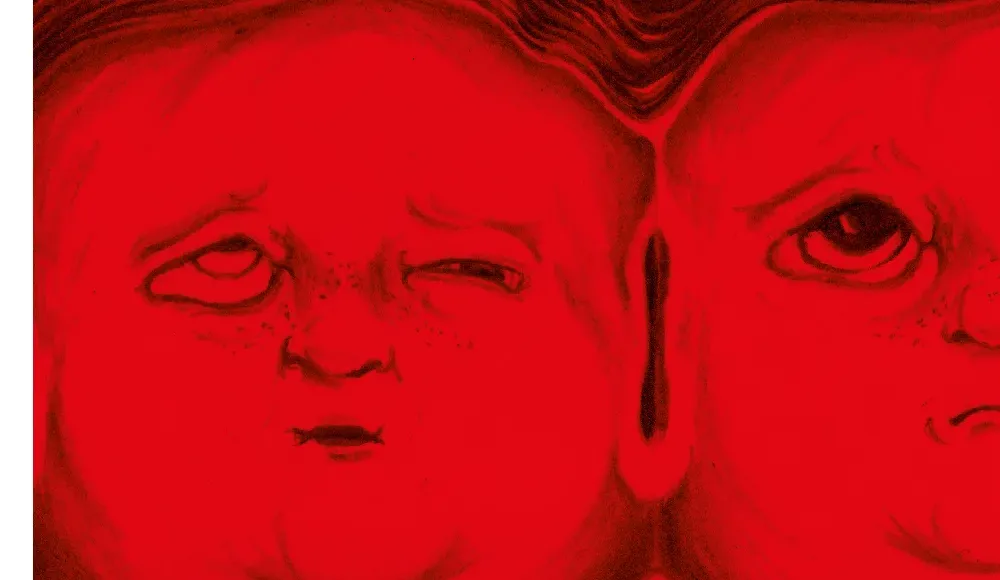
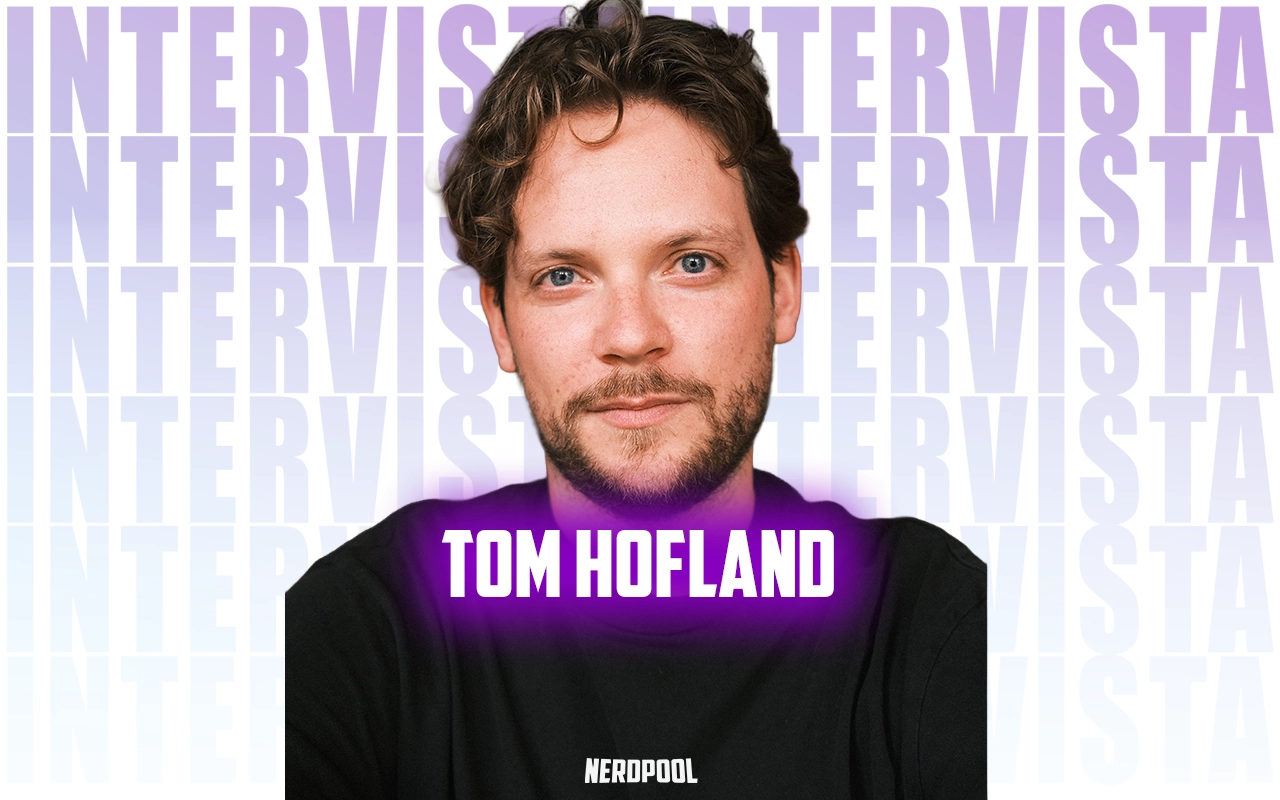
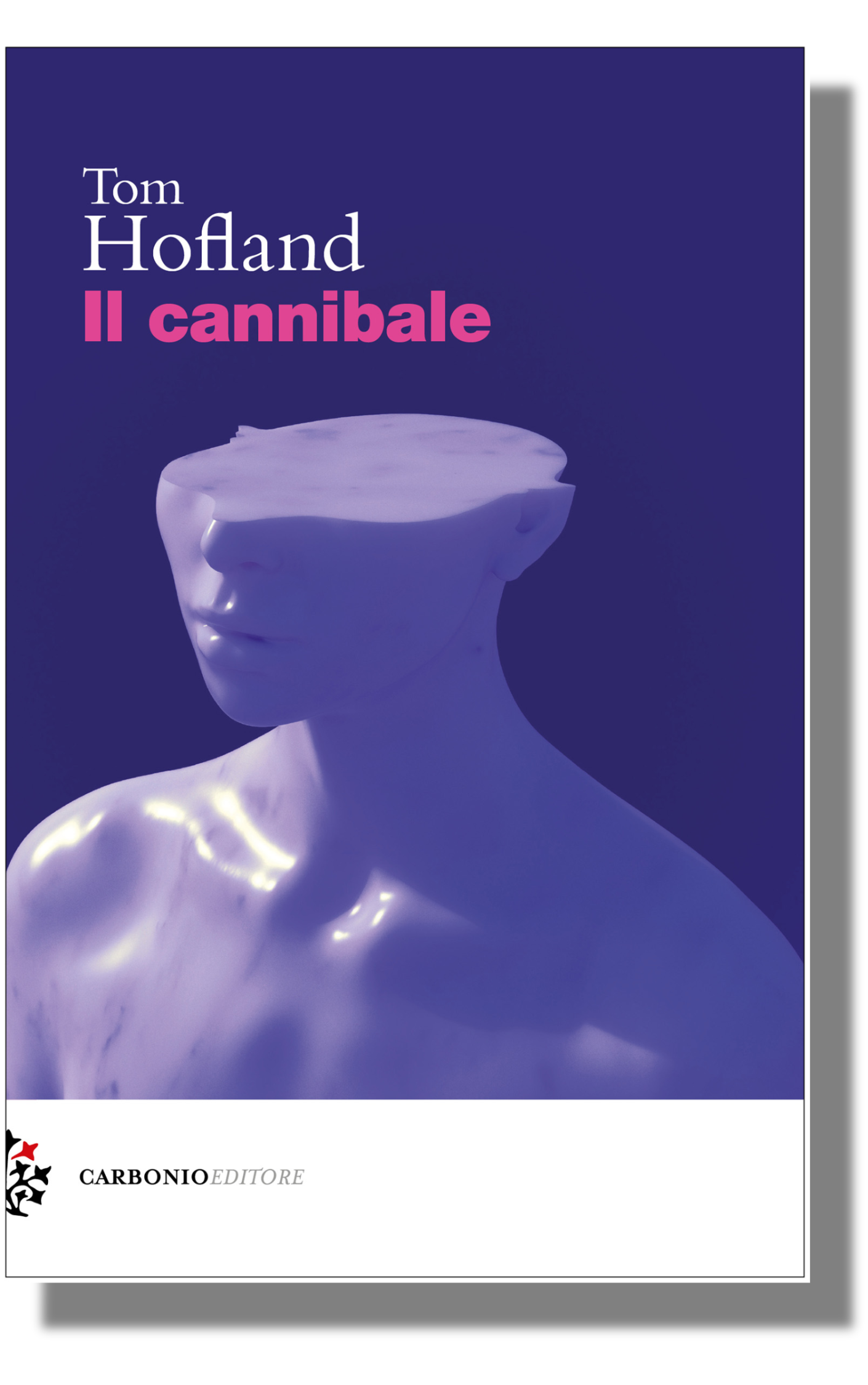
Tom Hofland, pluripremiato autore olandese, fa il suo debutto in Italia con il romanzo Il Cannibale, pubblicato da Carbonio Editore e con la traduzione di Laura Pignatti. Con una narrazione originale e carica di tensione, Il Cannibale offre una visione spietata e surreale del mondo del lavoro contemporaneo, esplorando temi come il potere, l’alienazione e la competizione estrema. Attraverso elementi grotteschi, il romanzo svela la natura “cannibalistica” della società in cui viviamo.
Ne abbiamo parlato in questa recensione e oggi vi proponiamo la nostra intervista con l’autore.
Ciao Tom e benvenuto su Nerdpool!
Il cannibalismo nel tuo romanzo è una potente metafora. Com’è nata l’idea di usarlo per riflettere sulla società contemporanea?
La scintilla iniziale è scattata mentre lavoravo per una grande azienda. Sono rimasto scioccato dalla brutalità con cui i manager trattavano i colleghi. Interi reparti venivano eliminati solo per far “crescere” l’azienda. Ho iniziato a documentarmi su grandi riorganizzazioni aziendali, come il famoso caso di France Telecom di vent’anni fa. Lì i lavoratori vennero licenziati in modo così brutale che si verificò un’ondata di suicidi.
Ho iniziato a vedere le grandi aziende quasi come entità organiche che hanno bisogno di nutrirsi per sopravvivere. E se una corporazione è come una grande bestia nera, i manager sono i servitori che la alimentano. È ciò che succede quando mettiamo il profitto sopra le persone: le aziende diventano entità sacre che esigono sacrifici. E i dipendenti finiscono nel menù.
Il protagonista sembra intrappolato in una realtà distorta e grottesca. Ci sono autori o movimenti letterari che ispirano la tua scrittura?
Sicuramente! Sono un grande fan di Franz Kafka per il suo modo geniale di rappresentare l’assurdità del mondo aziendale. Il suo lavoro è ancora incredibilmente attuale.
Amo anche registi come Yorgos Lanthimos, Alex van Warmerdam e Quentin Dupieux. Sono maestri nel sollevare la realtà quotidiana verso qualcosa di grottesco, magico e spesso inquietante. Prendo molta ispirazione dal cinema.
Il tuo stile mescola ironia e inquietudine. Come riesci a bilanciare questi elementi nella narrazione?
Non ne sono del tutto sicuro. Cerco di dosare bene ironia e inquietudine, perché un eccesso di entrambe può allontanare troppo il lettore. Sono consapevole che il mio stile può alienare chi cerca una rappresentazione più naturale del mondo, quindi è un equilibrio difficile da trovare. Credo sia più che altro una questione di istinto.
Oltre a scrivere romanzi, lavori anche nel mondo dei podcast. Questa esperienza influenza la tua voce narrativa?
Non credo che si influenzino molto a vicenda, anche se ho imparato dai podcast che la narrazione visiva è estremamente potente. Finché descrivi le cose con abbastanza dettagli da permettere all’ascoltatore di immaginare la scena, non serve uno stile troppo poetico. Credo di fare lo stesso nella mia prosa.
Ne Il Cannibale emergono fortemente temi come la manipolazione e il potere. Letto in chiave metaforica, il romanzo sembra riflettere una dura realtà del mondo contemporaneo, soprattutto lavorativo: un mondo sempre più spietato e “cannibalistico”, dove si è spinti a competere, a cacciare e divorarsi a vicenda per arrivare in cima o semplicemente per tenersi stretto ciò che si è conquistato con fatica. L’obiettivo diventa il potere: salire in cima alla “catena alimentare”. Qual è il messaggio che vuoi trasmettere? Ci sono significati politici o sociali che hai voluto comunicare con questa rappresentazione?
Sì, credo che la tua analisi sia molto corretta. Il messaggio al centro del romanzo non è molto complesso, ma credo sia vero: noi, in Occidente, abbiamo sviluppato questo “culto del lavoro”, dove avere successo negli affari equivale a vivere bene.
Abbiamo una fede fortissima, quasi spirituale, nelle qualità redentrici del duro lavoro. Molti di noi lavorerebbero fino allo sfinimento se i loro capi glielo chiedessero. Viviamo sotto il capitalismo da così tanto tempo che ormai ci sembra impossibile immaginare un’alternativa. Sembra che sia nella nostra “natura” lavorare il più duramente possibile. Ma non è così. La nostra natura è semplice: sopravvivere e trovare un senso alla vita.
Al momento, attribuiamo molto significato al lavoro. Ma questo è solo un’invenzione capitalista.
Parte di questa religione capitalista è l’idea che abbiamo due vite separate: una lavorativa e una personale. Ma questa divisione è un’illusione. Non esiste, ed è lì solo per approfittarsi dei lavoratori. È per questo che i manager possono fare cose terribili e poi dire: “non prenderla sul personale, è solo lavoro.”
Come prende forma un romanzo per te? Parti da un’immagine, un concetto o un personaggio?
Dipende! Per i racconti brevi parto di solito da un’idea o da un’ambientazione. Per i romanzi, invece, penso prima al genere in cui vorrei lavorare e poi comincio a costruire una trama. Raramente parto da un personaggio. Nei miei lavori, i personaggi sono modellati per servire la storia.
Stai lavorando a nuovi progetti letterari? Puoi darci un’anticipazione?
Sì, sono nelle primissime fasi della scrittura del mio primo romanzo di fantascienza. Da bambino, negli anni ’90, ero un grande fan della fantascienza esagerata, tipo StarCraft e Warhammer 40K.
Ho sempre voluto scrivere qualcosa ambientato in un universo simile. Non posso dire troppo sulla trama, ma si tratta della perdita del nostro corpo fisico quando la tecnologia prende il sopravvento. Sarà qualcosa di molto epico, con armi e alieni. Ma spero che ci sia un cuore caldo al centro della storia.
La tua scrittura è molto visiva. Hai mai pensato di adattare uno dei tuoi romanzi per il cinema o la TV?
Sì! Ho studiato per diventare sceneggiatore e mi piacerebbe molto scrivere un film. Abbiamo cercato di trasformare Il Cannibale in un film negli ultimi anni, ma è davvero difficile ottenere finanziamenti per film fantastici nei Paesi Bassi.
Cosa speri che i lettori italiani colgano da Il Cannibale?
Credo che colgano già quello che ho voluto comunicare. Quando parlo con i lettori italiani, colgono subito il messaggio del libro con grande lucidità. Ho avuto conversazioni meravigliose a riguardo. Mentre nei Paesi Bassi, la maggior parte delle persone che scrivono sul libro si concentrano più sul genere o sulla mia vita personale, e meno sul messaggio. Per questo sono davvero felice dei miei lettori italiani.
Hai mai pensato di ambientare una storia in Italia o di collaborare con artisti italiani?
De Menseneter inizia e finisce in Italia, ovviamente! Ma non ho ancora pensato a una storia italiana in particolare o a una collaborazione. Ah, dimenticavo: il mio secondo romanzo (che purtroppo non è ancora stato tradotto in italiano) è ambientato su un’isola ispirata a un viaggio in Sicilia.
Ringraziamo Tom Hofland per il tempo e la disponibilità, e vi invitiamo a scoprire il suo romanzo Il Cannibale! Restate sintonizzati sui nostri canali per altre interviste dal mondo dei libri!
ENGLISH VERSION
Tom Hofland, award-winning Duch author, makes his debut in Italy with the novel The Cannibal, published by Carbonio Editore and translated by Laura Pignatti. With an original and tension-filled narrative, The Cannibal offers a ruthless and surreal take on the contemporary workspace, exploring themes of power, alienation, and extreme competition. Though grotesque elements, the novel unveils the “cannibalistic” nature of the society we live in.
We discussed the novel in this review, and today we bring you our interview with the autor.
Hello Tom and welcome to Nerdpool!
Cannibalism in your novel is a powerful metaphor. How did the idea of using it to reflect contemporary society come about?
The initial spark of inspiration came when I was working for a large corporation. I was shocked to see that managers where quite brutal towards co-workers. Entire departments were disposed of just so the company could ‘grow’. I started reading more about big reorganisations like the famous France Telecom case from twenty years ago. The workers there were so brutally disposed off by their managers that it came to a wave of suicides.
I started to see large corporations almost as organic entities that needed to eat to sustain themselves. And if a corporation is like a big black beast, managers are the lackeys that feed them. This is what happens when we put profit over people: companies turn into holy entities that demand sacrifice. And the employees are on the menu.
The main character seems trapped in a distorted, grotesque reality. Are there any particular authors or literary movements that inspire your writing?
For sure! I am, of course, a big fan of Franz Kafka for his brilliant portrayal of corporate absurdism. His work is still so amazingly relevant today, it’s quite amazing. I am also a big fan of movie directors like Yorgos Lanthimos, Alex van Warmerdam and Quentin Dupieux. They are masters in lifting everyday reality up towards something grotesque, magical, and often haunting. I get a lot of inspiration from films.
Your style blends irony and unease. How do you strike a balance between these elements in your storytelling?
I’m not really sure. I try to dose irony and uneasy very well in my stories, because too much of it can alienate the reader too much. I’m aware that my style does alienate some readers that are looking for a more natural portrayal of the world, so it’s a hard balance to find. I guess it’s just a feeling.
In addition to writing novels, you also work in the podcast world. How does this experience influence your narrative voice?
I don’t think they influence each other too much, although I have learned from podcasts that visual storytelling is extremely powerful. As long as you describe things in just enough detail so that the listener sees the picture, you don’t have to have a very poetic style. I think I do the same in my prose.
In The Cannibal, themes like manipulation and power stand out strongly. Read as a metaphor, the novel seems to reflect a harsh reality of our contemporary society especially within the workplace. It portrays a world that has become increasingly ruthless and “cannibalistic,” where people are driven to compete, to hunt and devour each other just to climb to the top or simply to hold on tightly to what they’ve earned through hard work, something no one should take away. The goal becomes power: to rise to the top of the “food chain.” What’s the message behind? Are there political or social meanings you wanted to convey through this portrayal?
Yes, I think you are very right with your analysis. The message at the heart of the novel is not very complex, but I believe it to be true. Namely that we, in the west, have developed this ‘cult of work’ where being successful in business is equal to leading a good life. We have a very strong belief, almost spiritual, in the redeeming qualities of working hard. A lot of us would work themselves to death if their bosses asked them of it. We’ve been living under capitalism for so long that it’s almost impossible to visualise an alternative. It feels like its our ‘nature’ to work as hard as possible. But it’s not. Our nature is simple: to survive and feel that our life has meaning. Right now we give a lot of meaning to work. But that’s nothing more than a capitalist invention.
Part of this capitalist religion is that we believe that we have two separate lives: a work life, and a personal life. Because we believe things, managers can do terrible things and then say ‘don’t take it personal, its only business.’ But the separation of work and personal life is an illusion. It doesn’t exist, and it’s only there to take advantage of workers.
How does a novel usually take shape for you? Do you start from an image, a concept, or a character?
It depends! For short stories I usually start with a premise or setting. For novels I tend to think of the genre I would like to work in, and then I start thinking of a plot. I almost never start from a character. Characters are shaped to serve the story in my work.
Are you currently working on new literary projects? Could you share a preview with us?
Yes, I’m in the very early stages of writing my first sci-fi novel. When I was a kid in the 90’s I was a big fan of very over the top Sci-fi like StarCraft and Warhammer 40K. I’ve always wanted to write something that takes place in a similar universe. I can’t say too much about the plot yet, but it’s about the loss of our physical bodies when technology takes over. It’s going to be quite epic, with guns and aliens. But I hope it will have a warm heart in the centre of the story.
Your writing is highly visual. Have you ever considered adapting one of your novels for film or television?
Yes! I’ve studied to be a film writer and I would love to write a film. We’ve been trying to turn this novel into a film the last years, but it’s incredibly hard to get funds for fantastical films in the Netherlands.
What do you hope Italian readers will take away from The Cannibal?
I believe they already take away from the story what I put in it. When I talk to Italian readers, they are very sharp to see the message of the book. I’ve had amazing conversations about this. While in the Netherlands, most of the people that write about the book are mostly interested in the genre or my personal life. Not so much the message I try to convey. I’m really happy with my Italian readers for that reason.
Have you ever considered setting one of your stories in Italy or collaborating with Italian artists?
De Menseneter starts and ends in Italy, of course! But I haven’t thought of a specific Italian story or Italian collaboration. O, I forgot: my second novel (which unfortunately isn’t translated into Italian yet) takes place on an Island that was inspired by a trip to Sicily.